![[LOGO]-Ulixe_Nova-positivo](https://www.ulixenova.com/wp-content/uploads/2025/01/LOGO-Ulixe_Nova-positivo.png#25)


10/07/2024
Sito Web Sostenibile: Guida alla Creazione di un Sito efficiente
30/06/2023
Scopri come contribuire alla sostenibilità digitale. Riduci l’impatto ambientale dei siti web con pratiche e strategie eco-friendly. Leggi di più!

“Preferisco la versione digitale perché è più sostenibile”… No, non è sempre così.
Anche la lettura di questo articolo su come creare un sito web sostenibile comporta un’impatto ambientale dato da: il consumo di energia del sito web, del data center che ospita i dati, nonché dall’utilizzo dell’utente che legge.
Quindi la versione digitale è brutta e cattiva e dobbiamo “spegnere l’Internet e tutti i data center”?
No! Evitiamo allarmismi, non dobbiamo spegnere completamente Internet. Al contrario, possiamo affrontare la situazione dati alla mano per trovare soluzioni per ridurre l’impatto ambientale dei siti web, adottando strategie e pratiche sostenibili. Continua a leggere per scoprire alcune tips che potranno esserti utili per sviluppare il tuo prossimo sito web sostenibile avendo maggiore attenzione all’impatto ambientale!
Indice
- Sviluppare un sito web sostenibile: una sfida possibile?
- Piccoli passi per diventare grandi “sviluppatori sostenibili”
- Pensare a sistemi di Data Center sostenibili
- Sostenibilità digitale: il ruolo dell’utente finale nell’abbattimento delle emissioni
- Conclusione
Sviluppare un sito web sostenibile: una sfida possibile?
Prima di tutto diamoci un perimetro, la tecnologia copre ormai ogni particolare della nostra vita e un’analisi troppo generale porterebbe solo confusione. Concentriamoci, quindi, su una parte di essa: Internet e, in particolare, i siti web. Esamineremo insieme come programmatori, sistemisti e utenti finali possano agire attivamente per creare siti web sostenibili.
Siamo sempre connessi, sempre pronti ad accedere a Google dallo smartphone, dal PC o da altre diavolerie tecnologiche. Accediamo al sito della banca, del giornale e abbiamo tutto a portata di click: sempre più ogni aspetto della nostra vita ha una controparte digitale.
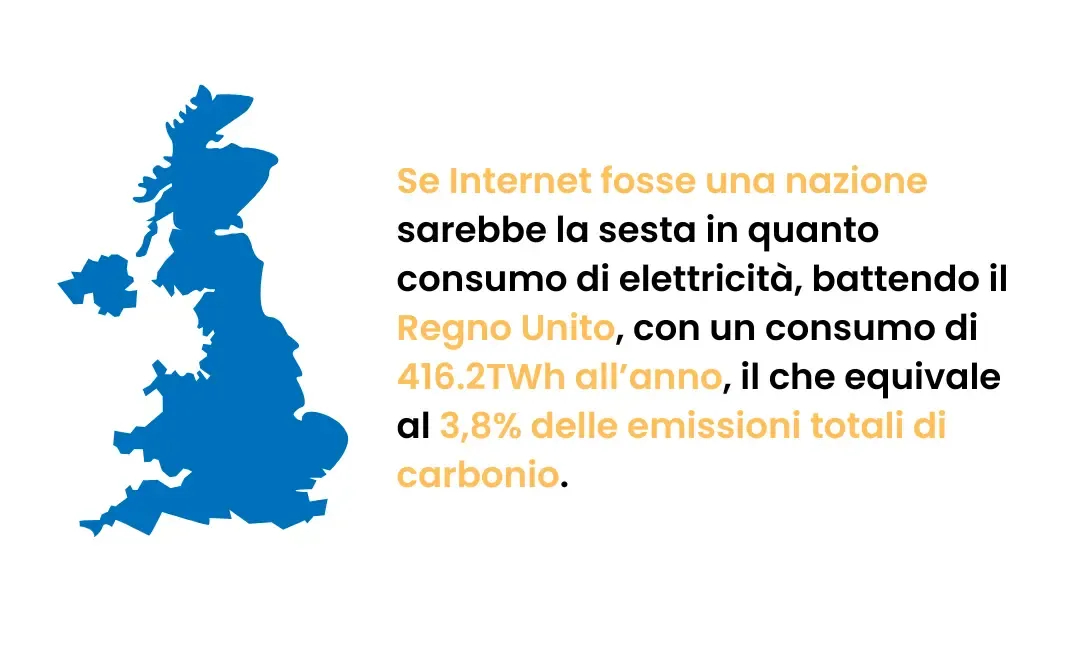
Secondo l’azienda londineseWholegrain Digital, se Internet fosse una nazione sarebbe la sesta in quanto consumo di elettricità, battendo il Regno Unito (e non solo l’Inghilterra), con un consumo di 416.2TWh all’anno, il che equivale al 3,8% delle emissioni totali di carbonio.
Sempre secondo la stessa fonte, una singola pagina web visualizzata produce circa 1,75 grammi di CO2 (anidride carbonica o biossido di carbonio). Sebbene possa sembrare poco, moltiplicato per il numero di pagine visualizzate nel mondo ogni secondo, le cifre crescono in modo esponenziale.
Allora, come possiamo ridurre l’impatto ambientale e limitare i consumi energetici dei siti web, riducendo così le emissioni di CO2?
Prima di tutto adottiamo una strategia di web development sostenibile. Vediamo insieme cosa possono fare gli addetti ai lavori!
Piccoli passi per diventare grandi “sviluppatori sostenibili”
Sono quelle figure mitologiche che trasformano i requisiti in qualcosa di digitale. I siti web e la tecnologia che ce ne permette la fruizione non esistono in natura: i programmatori sono gli artefici di tutto questo.
Il consumo di energia è intrinsecamente parte del lavoro dello sviluppatore, avendo come strumento principale un PC e lavorando in ambito tecnologico. Ma non per questo dobbiamo avere meno attenzione al nostro impatto, anzi, possiamo prestare sempre attenzione a ciò che facciamo e cercare soluzioni innovative.
Prima di tutto, per creare un sito web sostenibile partiamo definendo un peso limite massimo che può raggiungere la pagina, ricordiamoci di tagliare il superfluo. On line si possono usare strumenti che ci aiutano a misurare l’impatto del sito web che sviluppiamo, scopri subito l’impatto del tuo sito. Mentre, a seguire alcune strategie per sviluppare siti web sostenibili.
Mobile First, il futuro dei siti web sostenibili?
Questa strategia mette al centro lo smartphone (che prima non è stato citato a caso).
l’utilizzo di Internet avviene sempre più da smartphone e meno da PC, desktop o portatile come emerge dalle tendenze globali del 2023 di WeAreSocial. Pertanto, possiamo sfruttare questa tendenza e definire le nostre strategie partendo da qui.
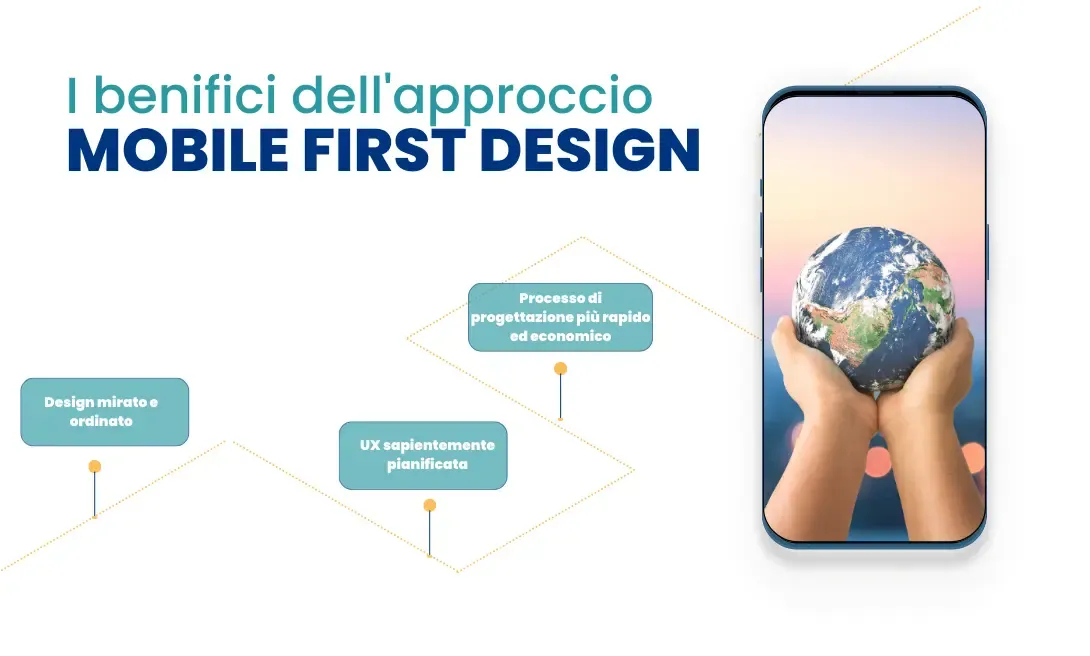
Benefici approccio mobile first
Per ottimizzare l’esperienza mobile, è importante rendere l’interfaccia intuitiva, veloce e priva di elementi superflui che potrebbero appesantirla e aumentare il consumo di energia. Dando priorità agli smartphone, che hanno uno schermo più piccolo e minori capacità di elaborazione, possiamo progettare pagine meno energivore.
Less is More: Scrivere codice efficiente per ridurre l’impatto ambientale
Anche la parte di lavoro che comprende la stesura del codice ha impatti sull’ambiente. Un codice pulito e riutilizzabile alleggerisce il lavoro e le pagine. Un utilizzo mirato di classi, API o funzioni per non ripetere pezzi di codice e tagliare le parti ridondanti e inutili fa risparmiare tempo ed emissioni.
Nella fase iniziale, il Programmatore e l’Analista Funzionale possono organizzare un piano di riuso del codice, aggiungendo in documentazione il riferimento alle parti che possono essere riutilizzate e dove possono essere inserite.
In caso invece il progetto non sia ben delineato, o si lavori in modalità Agile, è bene tenere a mente che in futuro converrà ritagliarsi un momento per pulire il codice.
Se parliamo di scrivere codice, non possiamo non menzionare i linguaggi di programmazione, framework e librerie, come Angular e React se programmi in JavaScript.
Web design & sostenibilità: dare il giusto peso ai contenuti
Immagini molto pesanti o con effetti speciali possono appesantire notevolmente un sito web, rallentandone il caricamento e aumentando il consumo di risorse. Per questo anche il formato che scegliamo per i nostri file è importante!
Oggi si possono sostituire i classici formati delle immagini, PNG e JPG, con il più leggero WebP. Il file WebP è stato sviluppato da Google e offre una compressione avanzata senza compromettere significativamente la qualità visiva dell’immagine tramite algoritmi di compressione.
Non sapete come ottenere un file WebP? Potete appoggiarvi a servizi online come Cloudconvert o Convertio, da cui si possono selezionare anche le immagini direttamente da DropBox.
Un’altra azione da compiere potrebbe essere il caricare le immagini in Lazy Loading, cioè le immagini non vengono caricate all’atterraggio nella pagina web ma solo se necessario, ad esempio quelle a fondo pagina vengono caricate solo se l’utente scrolla fino ad arrivare alla sezione che la contiene.
Un’altra questione importante, figlia dei reel di Instagram e di TikTok, è la presenza dei video nei siti. Molto spesso non necessari e con una risoluzione molto maggiore di quella che può supportare uno schermo. Ha senso vedere un video in 4K su uno smartphone su uno schermo di pochi pollici e con risoluzione molto più bassa?
Anche in questo caso, è consigliabile inserire i video solo se necessari, ottimizzandone la risoluzione e evitando l’autoplay.
Siti Web colorati ma non troppo
Quando si progetta un sito web sostenibile, è fondamentale tenere conto dell’impatto energetico delle scelte cromatiche. Alcuni colori richiedono più energia per essere visualizzati rispetto ad altri. Ad esempio, il bianco e il giallo sono tra i colori che consumano di più, mentre il nero e i toni scuri hanno un impatto energetico ridotto.
Una strategia efficace, per ridurre il consumo energetico dei colori sul web, consiste nell’utilizzare principalmente colori scuri per lo sfondo del sito, in modo da ridurre la quantità di energia necessaria per illuminare lo schermo.
Sito Web sostenibile: pensare a sistemi di Data Center sostenibili
I sistemisti sono responsabili della gestione dei Data Center (DC), ossia le strutture fisiche dove vengono conservati dati, applicazioni, componenti fisiche e software utili alla continuità di servizio e dei prodotti digitali.
I Data Center operano in ambienti chiusi e richiedono un’energia costante per elaborare grandi quantità di dati. A causa dell’intenso lavoro svolto, i Data Center tendono a surriscaldarsi e quindi richiedono sistemi di raffreddamento come condizionatori e ventole. Questa componente dei Data Center contribuisce all’1% del consumo mondiale di energia.
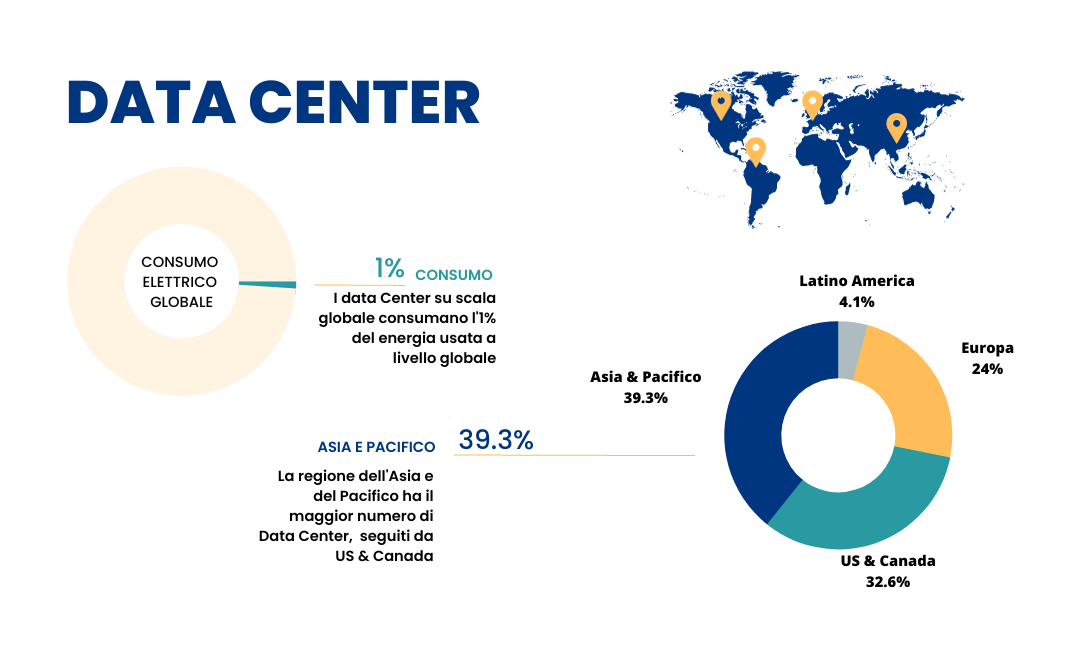
Rielaborazione.
Fonte: www.climateimpact.com
Ecco due opzioni, più una bonus, per ridurre l’impatto ambientale dei data center e mitigare l’impatto del tuo sito web rendendolo più sostenibile.
- Condivisione dei Data Center. Condividere i Data Center tra più realtà abbatte costi, consumo del territorio e permette di gestire al meglio le macchine. Esistono un’infinità di gestori di DC che affittano i loro spazi ad altre aziende per raggrupparne il più possibile in un unico spazio, arrivando a condividere perfino i rack (i mobiletti nei quali si incastrano router, switch, ecc, una specie di Billy per ‘ste diavolerie).
- Scegliere un hosting sostenibile. Spesso, i Data Center sono gestiti da società esterne. Alcune di esse, ad esempio la Deep Green, hanno un’impronta sostenibile e si impegnano ad abbassare le emissioni di CO2. Anche Microsoft col progetto Natick ha immerso in fondo al mare alcuni Data Center sfruttandolo per mantenerli al fresco abbattendo drasticamente la dipendenza energetica.
Possiamo fare altro? Ad, esempio cosa ce ne facciamo di tutto il calore prodotto dai data center e dai sistemi di raffreddamento? Magari con un po’ d’inventiva possiamo usarlo per concederci il nostro piccolo lusso!
A Devon, Inghilterra, la startup Deep Green ha fornito un interessante soluzione al quesito: “Usiamolo per scaldare le piscine!” Quindi per abbassare la temperatura stanno collocando i Data Center sotto le piscine, alle quali trasferiscono il calore ad una piscina, ricevendo refrigerio da questa, abbattendo i costi dei primi e facendo risparmiare, ad un’ipotetica piscina di 25 metri,i circa 7900 euro/mese (fonte Swim England).
Sostenibilità digitale: il ruolo dell’utente finale nell’abbattimento delle emissioni
Esatto, proprio tu! il nostro impatto è variabile, cambia in base alle nostre abitudini, agli strumenti che abbiamo e come li utilizziamo ma cosa può fare l’utente finale (sì, ancora tu) per abbattere le emissioni?

”Chi ha due pollici ed è l’utente finale?”
Kelso dalla serie TV Scrubs
Continua a leggere per scoprire alcune azioni che l’utente finale può intraprendere per abbattere le emissioni.
L’utente finale e la scelta del dispositivo
La scelta del dispositivo ha un impatto significativo sull’energia consumata. Optare per dispositivi più efficienti dal punto di vista energetico può ridurre il consumo di energia e le relative emissioni.
Quando si tratta di ricerche e attività veloci, uno smartphone rappresenta una scelta consigliata rispetto a un PC tradizionale o laptop. Preferire siti web ottimizzati per smartphone può contribuire a ridurre ulteriormente il consumo energetico durante la navigazione.
Inoltre, è consigliabile evitare l’apertura e l’utilizzo di molteplici schede o applicazioni contemporaneamente. Per cui è consigliabile utilizzare il multitasking in modo oculato e chiudere le app non in uso può contribuire a ottimizzare l’efficienza energetica dello smartphone.
Infine, è consigliabile preferire i nuovi schermi OLED che, a differenza dei modelli retroilluminati, consumano meno energia mantenendo la qualità delle immagini.
Anche lo streaming ha la sua impronta ecologica
Benedetta la musica accessibile e film sempre a portata di mano! Tuttavia, è importante essere consapevoli che anche i contenuti in streaming hanno impatto sul consumo energetico e adottare alcune accortezze per mitigarne l’uso.
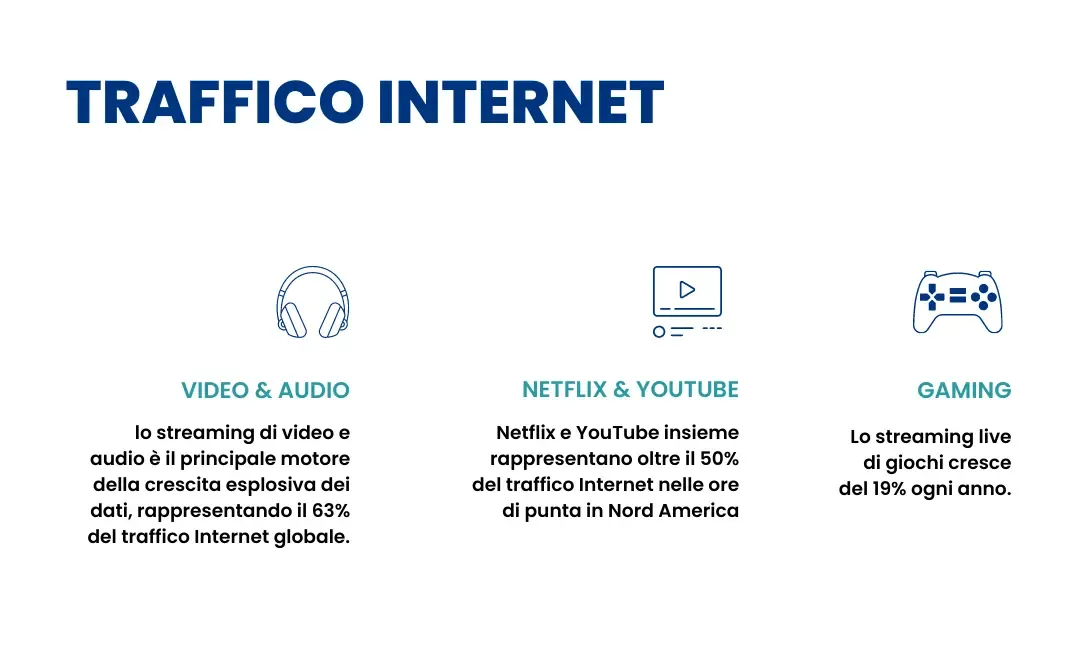
Traffico internet
Fonte: www.climateimpact.com
- Innanzitutto, evitare l’auto-play può fare la differenza. Disabilitando questa opzione, si evita che i video o le canzoni si avvii automaticamente senza necessità. Questo semplice gesto può contribuire a ridurre il consumo energetico associato allo streaming.
- Un’altra opzione da considerare è l’utilizzo di servizi di sola musica quando non è necessario visualizzare il video. Ad esempio, se si sta passeggiando con le cuffie nelle orecchie, non è indispensabile che sullo schermo scorrono immagini.
- Inoltre, è importante controllare la qualità dello streaming. Se la connessione internet è stabile e affidabile, è possibile ridurre la risoluzione dei video o la qualità audio. Questo non solo riduce il consumo di dati, ma anche il consumo energetico associato alla trasmissione di contenuti ad alta definizione.
Modificando leggermente le nostre abitudini è possibile godere della comodità dello streaming riducendo al contempo l’impatto ambientale.
Conclusione
La tecnologia può ridurre l’impatto dell’uomo sull’ambiente, limitando il consumo di risorse e del territorio, gestendo meglio l’energia utilizzata (basta pensare alle lampadine intelligenti che si spengono da sole se l’ambiente è illuminato e se non percepiscono la presenza di nessuno) ma per farlo bisogna saperla gestire al meglio, avere piani ben precisi e una grande lungimiranza.
Quindi il digitale è più green? Questo siamo noi a deciderlo. La tecnologia va usata con consapevolezza e se ben impiegata può anche aiutarci a risparmiare, abbattere le emissioni di CO2 e ad avere una piscina riscaldata. Bisogna sempre tenere a mente che tutto il mondo informatico ha un enorme fabisogno energetico e una decrescita controllata non impatterebbe sulla nostra esperienza ma migliorerebbe la qualità della vita a tutti.